the music
A life in jazz.
Before the clinics and the code, there was the music. Twenty-plus years of saxophone, piano longer still, and the discipline of listening that everything else inherited.
the story
Where it started
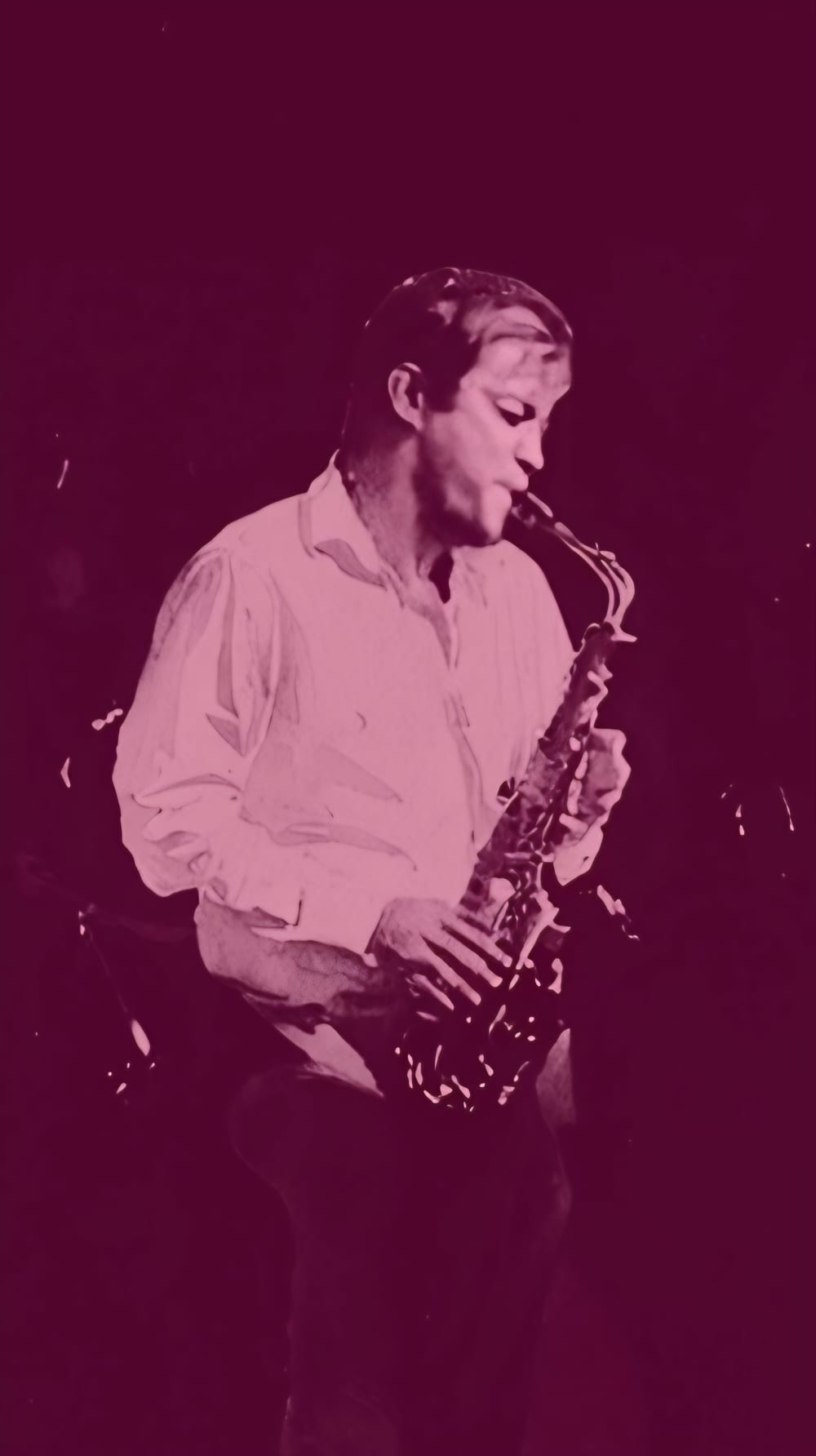
Saxophone for twenty-plus years. Piano longer. Jazz and classical. And here's the part nobody believes: almost none of it happened in a practice room. Music ran in the family, so there was always someone to play with, but the real learning happened on stage. Months would go by without touching the horn; then a call, a bandstand, tunes I'd never heard, and you walk out and make it up in real time. Those nights had moments where something clicks and you level up, mid-song, in front of everyone. That was the practice.
I carried a chip about it for years: if only I could sit and practice eight hours a day like the real pros. So I quietly assumed I wasn't much of a musician, while the people listening couldn't imagine I didn't practice. I've retired that math. The stage reps were the training: hear the phrase, hear where it wants to go, hear what's missing. All under pressure, with no net. Everything after, from reading a patient to reading a codebase, turned out to be the same skill with different raw material.
the crossover
What jazz taught everything else
Jazz musicians don't follow sheet music. They hear what's missing and fill it in. That's the whole method, and it transfers. Improvised my way into vet school, improvised my way through a clinical career, and then improvised my way into building AI systems, with no formal training for any of it. I never rehearsed any of this. I learned it the way I learned music: live, with the tape rolling, in front of people counting on it to work.
the player
Listen
// the player is wired and waiting, audio files on the way
- 01Track 01 · incomingaudio on the way0:00
- 02Track 02 · incomingaudio on the way0:00
- 03Track 03 · incomingaudio on the way0:00